
360° film, VR180 3D or a virtual tour: which should you choose?
Use 360° film to follow an action while choosing where to look. Use VR180 3D when you want to show depth in front of the camera. A virtual tour lets visitors choose their route through a space.
When should you choose 360° film?
The film has an edited sequence, a running time and sound. Viewers look around from the camera position in each shot, using a mouse, touch screen or compatible headset depending on the version. They cannot move freely through the scene.
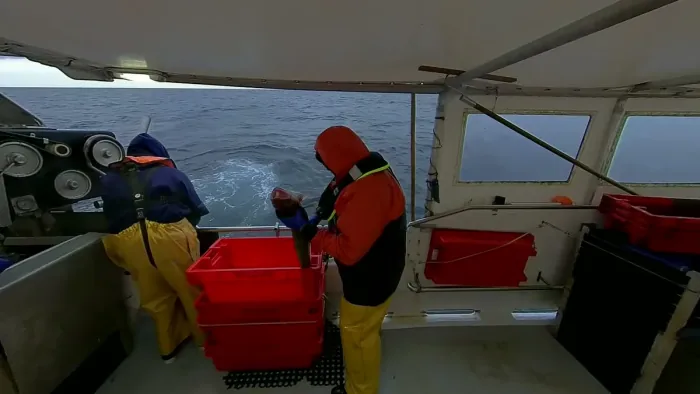
Choose this format when the setting matters to the story. On a fishing boat, viewers can follow a crew member’s work, then turn their attention to the rest of the crew or the equipment. The Loire Océan Filière Pêche website has five films you can try directly in a browser.
When does VR180 3D help you show depth?
VR180 3D records two views of the half-sphere in front of the camera, one for each eye. A compatible headset uses them to convey depth. That can help in a close-up craft demonstration where the position of the hands, tool and workpiece matters.
Plan how people will watch before filming. A screen version can show the action. A compatible headset provides the stereoscopic depth. Viewers watch from the camera position and cannot walk through the filmed scene.
When should you choose a virtual tour?
A virtual tour links multiple views. Visitors choose which viewpoints to explore and how long to spend looking around. That makes it useful for a hotel, a showroom or any space people want to get to know before they arrive.
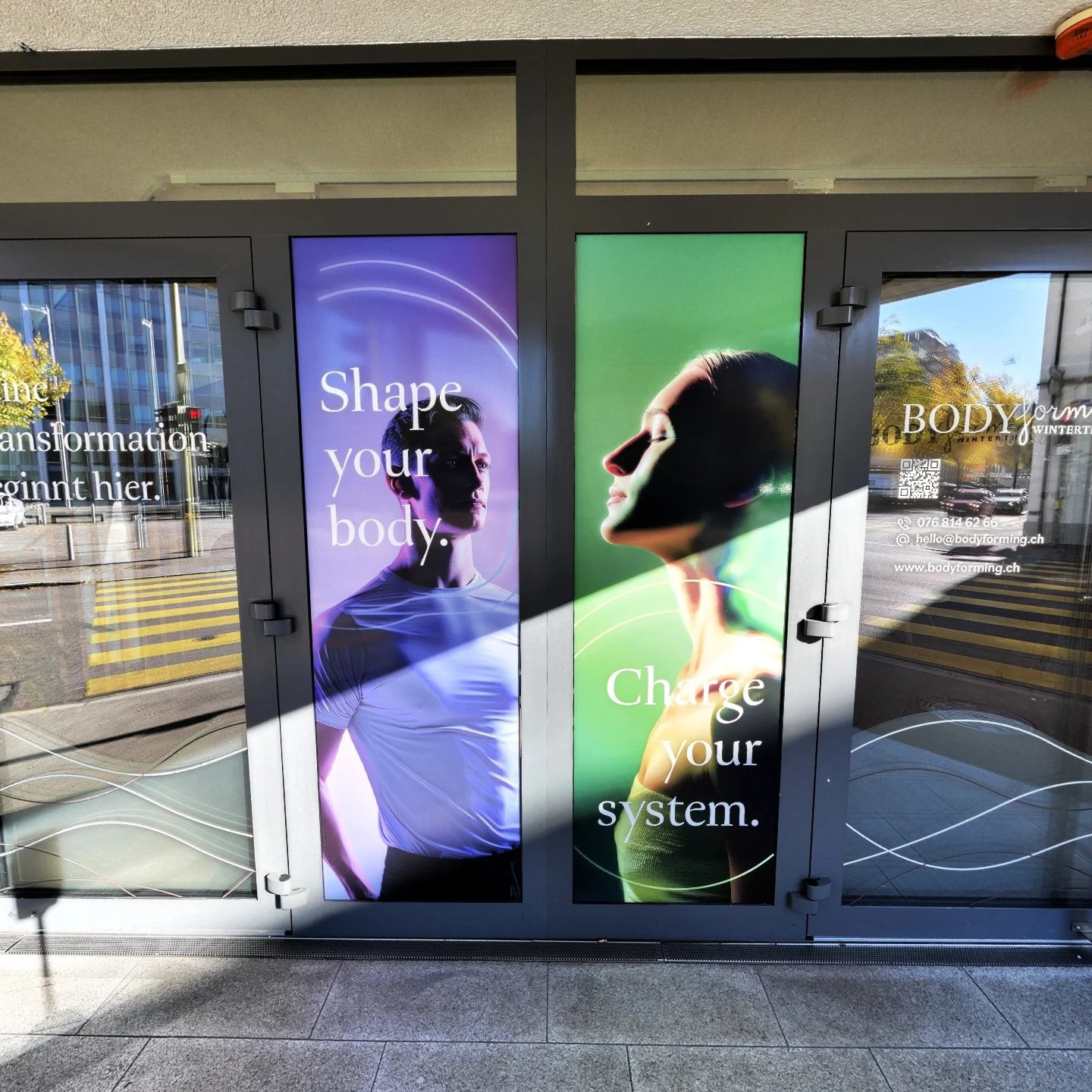
The tour of the BODYforming studio in Winterthur shows how this works. Open it on the virtual tours page and try moving between viewpoints.
What should you decide before production?
Set a task for the audience. Do they need to understand a work process, see the depth of a gesture or find their way around before a visit? Then confirm the viewing device, languages and how you will share the experience.
For a hotel, the formats can work together. A virtual tour helps visitors get their bearings. A 360° film shows the service in action. A VR180 3D scene can highlight one technique in a headset presentation.